Limited digital visibility
A shop can be easy to find on the street and still be difficult to discover through its products online.

FEATURED PROJECT / LOCAL COMMERCE
Making neighborhood stores and their products discoverable in a digital-first world.
Local retailers are an essential part of everyday commerce, yet many remain difficult to discover online. Snappin bridges this gap with a digital presence for physical stores and a place to explore products from nearby shops.
ONE PLATFORM.
TWO PERSPECTIVES.
Represent the store. Organize the catalog. Make products easier to discover.
Explore shops and products before making the trip.
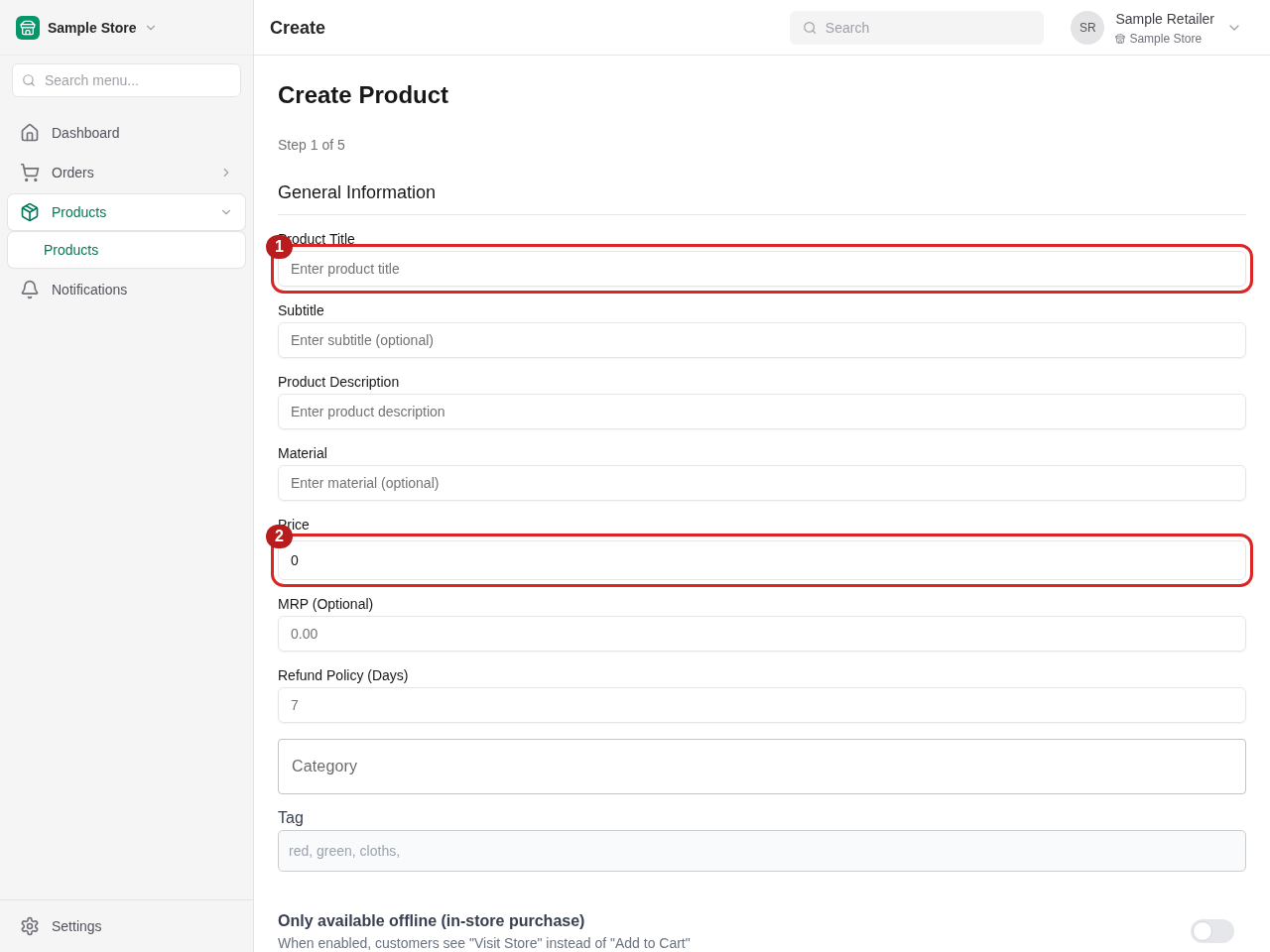
Retailer interface from Snappin’s existing product guide. Sample data and original annotations retained.
01 / THE DIGITAL VISIBILITY GAP
Walk through almost any neighborhood and you’ll find stores with products, local knowledge, and established customer relationships. But much of that inventory remains invisible to people searching online.
Large e-commerce platforms make browsing feel effortless. Finding out whether an independent shop nearby carries a specific item can still require a phone call, a message, or another trip down the street.
A shop can be easy to find on the street and still be difficult to discover through its products online.
Finding a specific item nearby can mean contacting or visiting several stores individually.
Websites, catalogs, and changing product information add work that a small retail team may not have time to manage.
The problem isn’t the absence of local commerce.
It’s the gap between what’s available and what’s discoverable.
02 / MEET SNAPPIN
Connect physical retailers with digitally connected customers. Give each side a focused experience, built around the same local information.
FOR RETAILERS
A digital storefront and an organized catalog give a physical business a place in online discovery.
FOR CUSTOMERS
Browse neighborhood retailers and explore their products before contacting or visiting the store.
03 / DIGITALIZING TRADITIONAL RETAIL
Digital transformation should not require every independent retailer to become a technology company. A shared platform can make the starting point simpler: a store, a catalog, and a way for people to find them.
The aim is to preserve what physical commerce does well — local availability, direct relationships, and neighborhood accessibility — while giving that information a digital home.
A physical store, individual inquiries, and products known mainly to walk-in customers.
A recognizable store presence, product information, and organized categories.
A shared place for customers to explore local stores and their products.
A foundation for deeper customer engagement and additional commerce capabilities.
The final step describes the long-term product direction, rather than a promise of currently available features.
04 / THE PRODUCT EXPERIENCE
A store becomes discoverable through a series of small, practical steps. The existing retailer guides make that journey visible.
Set up a store → Structure a product → Review and publish
Store setup collects the details that turn a shop into a digital destination: a name, contact information, address, and opening hours. The goal is a foundation customers can understand.
Read the original store guide ↗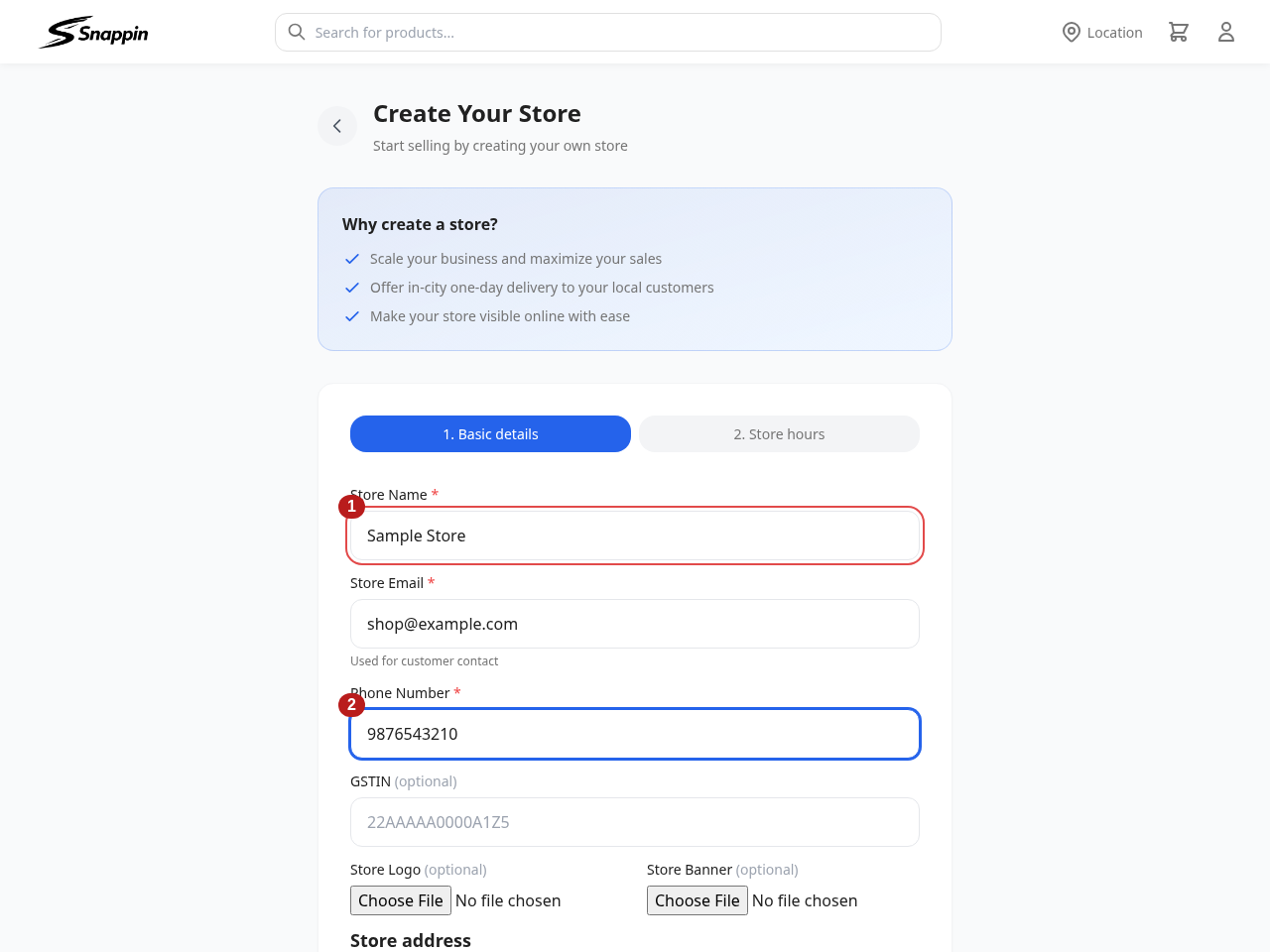
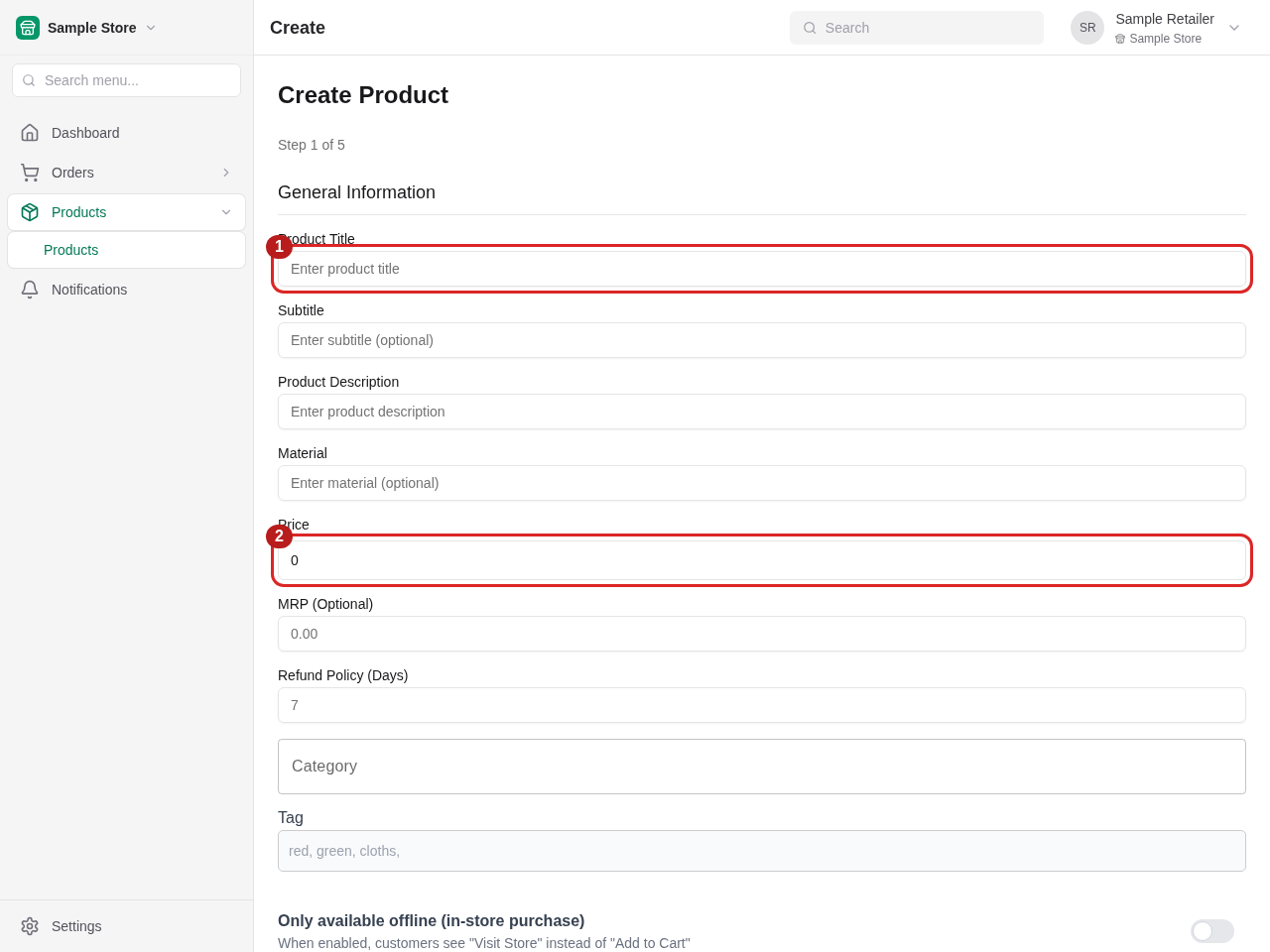
A product needs a useful description, a category, and consistent information. Grouped fields help retailers work through those details without treating the catalog as one long, unstructured form.
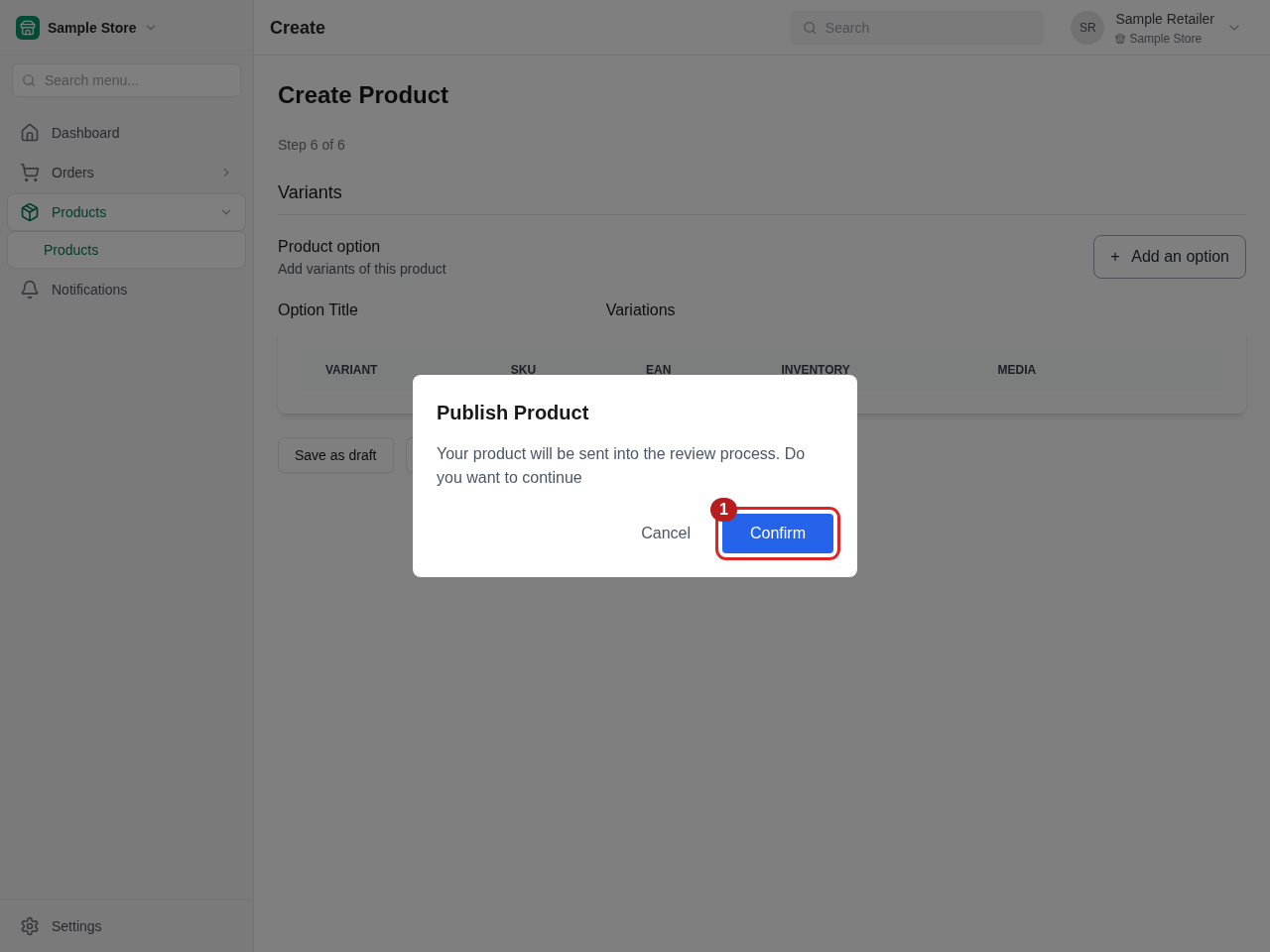
Read the original product guide ↗The publishing confirmation gives the retailer a final decision point. In the documented workflow, a product is sent for review rather than silently appearing as a completed listing.
The web directory groups stores by city and area, giving customers a place to start exploring. Product information connects what a retailer maintains with what a customer can discover.
Explore the live directory ↗05 / THE BROADER VISION
The long-term opportunity is larger than putting a product listing online. It is a practical digital foundation that helps neighborhood businesses become easier to find and more accessible to the people around them.
Imagine exploring products across nearby stores without searching each business individually. For a retailer, imagine digital visibility becoming part of everyday business rather than a separate technical challenge.
Making local commerce easier to discover,
one store at a time.
06 / PERSONAL CONTRIBUTION & LEARNINGS
My work on Snappin focuses on making local retail easier to discover and helping retailers present their stores and products clearly across web and mobile experiences.
The aim is a useful, connected experience for both sides: retailers sharing what they offer and customers finding relevant options nearby.
The question behind Snappin is simple: where can I find this locally? I want the product to make that everyday search easier, rather than add another layer of complexity.
Working on product presentation reinforced how much clear information matters. A useful description, a recognizable category, and an understandable price help people make a more confident choice.
A good discovery experience starts with a retailer who can present their business clearly. My focus is on making the product useful to the person sharing information and the person looking for it.
THE WORK, IN CONTEXT
Snappin explores how thoughtful product engineering can bridge the gap between traditional retail and digital discovery.